
You can read this article in the latest issue of the IoH magazine.
We rarely experience silence; there will always be a ticking clock, the sound of rain, or the clicking of a computer keyboard. It makes you think, doesn’t it?
It’s easy to see and touch beautiful interiors, observe customer service, smell & taste delicious food & wine … but what customers hear is often overlooked; or it’s just added as an afterthought.
Specialist sound and video system company, CGA Integration, recently hosted a roundtable with members of the Institute of Hospitality (IoH), to explore this very topic. Their aim:
to understand what those on the front line thought about sound on site.
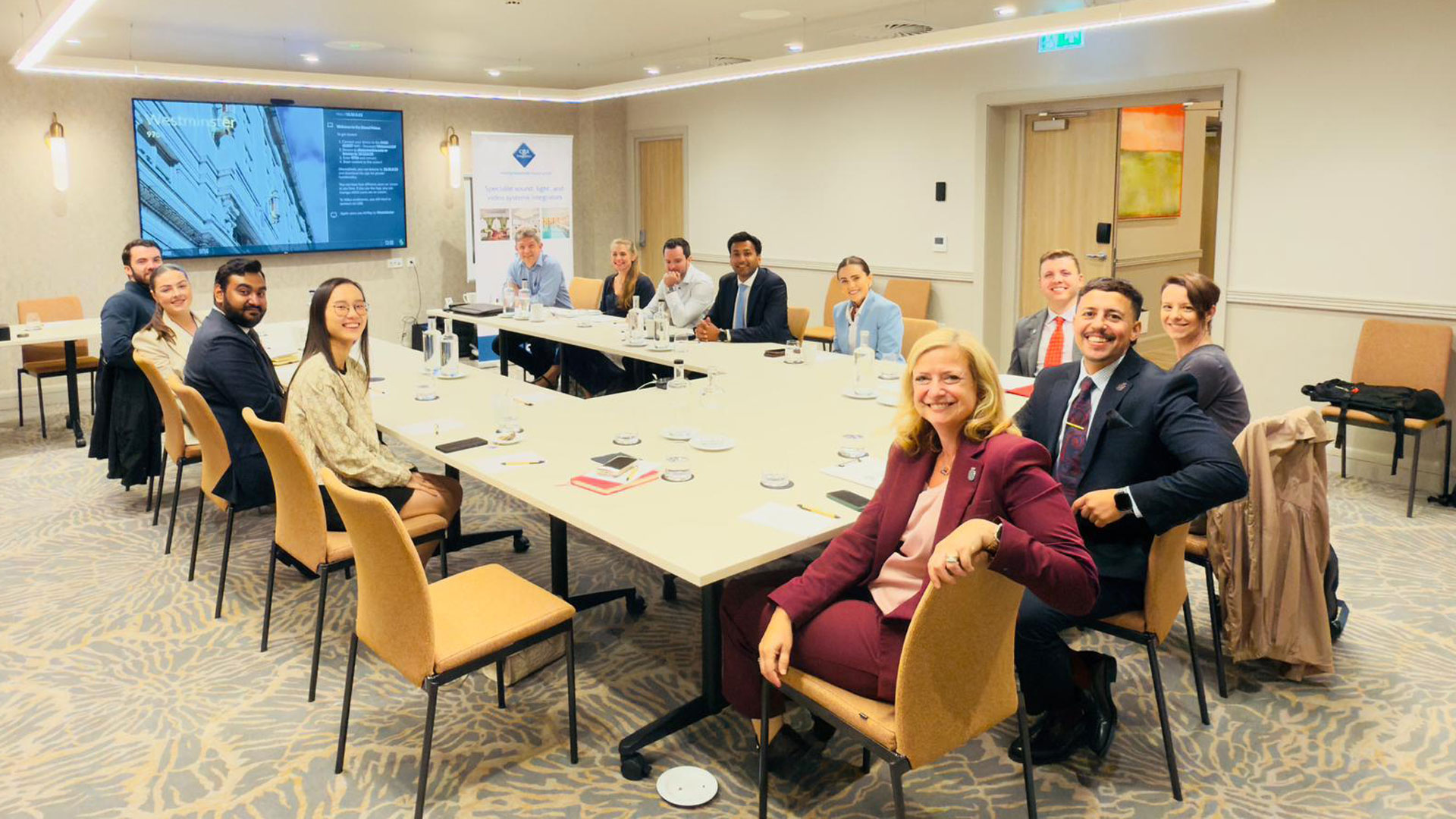
“You enter a venue and there is no music. You instantly want to leave. People do not think about it that way but it is one of the most overlooked elements of the experience.” Marco De Simone FIH, Restaurant Director, Corinthia Hotel, London.
The roundtable identified a consistent pattern across hospitality; sound is recognised as important by those on the floor but it’s rarely treated as a strategic priority by those who
plan and design places.
The discussions identified that locations are frequently handed over to operational teams before a coherent sound policy has been agreed. Design decisions prioritise the visual elements: carpets, lighting and floral displays often attract significant investment, but the systems needed to deliver great music and efficient meetings are often overlooked. The consequence is systems that cannot deliver what the venue needs.
“I can give you a list of prestigious London restaurants where they have got to the point of decorating and have not thought about putting the sound system in.” Chris Gunton, Director, CGA Integration.
Research supports the thoughts of the IoH members at the roundtable. There is a growing body of evidence which acknowledges that sound affects your mood and emotions, and as such can change the way people behave.
Our brains receive so many subtle cues from what our ears pick up, that a great deal of our conscious and unconscious moods and behaviour are attributable to what we hear, even if we don’t realise it.
Sound is a critical strand in determining how guests feel when they experience a place, not just at the time, but for years to come.
Music is a powerful tool in evoking memories; when we hear songs from the past, they can stir strong emotions and transport us back to a moment or moments. Like stepping into a time machine; you can feel everything as if you were there. It’s not just about what is played, but also the way we hear it, that can affect us emotionally.
“If you heard a song you liked, it is not just the food or the experience. You heard the music. Every time you hear that music, you will come back to the experience you had.” Francesca Mosca MIH, DEIB Lead, Institute of Hospitality.
When we listen to a warm, rich tone with depth and clarity, it’s like sinking into a big comfortable chair. Conversely, a sound that is thin, scratchy and sharp is irritating and something you want to shut out and move away from as quickly as possible. So, getting the delivery of the sound right is crucial.
However, the discussions highlighted that sound systems are often installed at the last minute, resulting in many problems; too few speakers creating sound hotspots, bass that bleeds under seating, no zoning and controls too technical for front-of-house staff to operate in the flow of service, with no training provided.
Getting the right number of speakers in a hospitality space is essential. If you have too few in a room, they have to be run really hard to try to fill the space. The guests closest to the speaker experience a sound that’s too loud and risk becoming overwhelmed, whereas those farthest away may not hear anything at all.
When you design the sound delivery system for a room, you should use lots of speakers running gently. This ensures that music or voice is distributed evenly and heard by everyone,
no matter where they are in the room, giving every guest best benefit.
“There is no rule book that says this is lunchtime volume and this is evening volume. It has to be based on feeling and experience. And that needs to be developed.” Isabella Condon, Assistant Manager, The Dorchester.
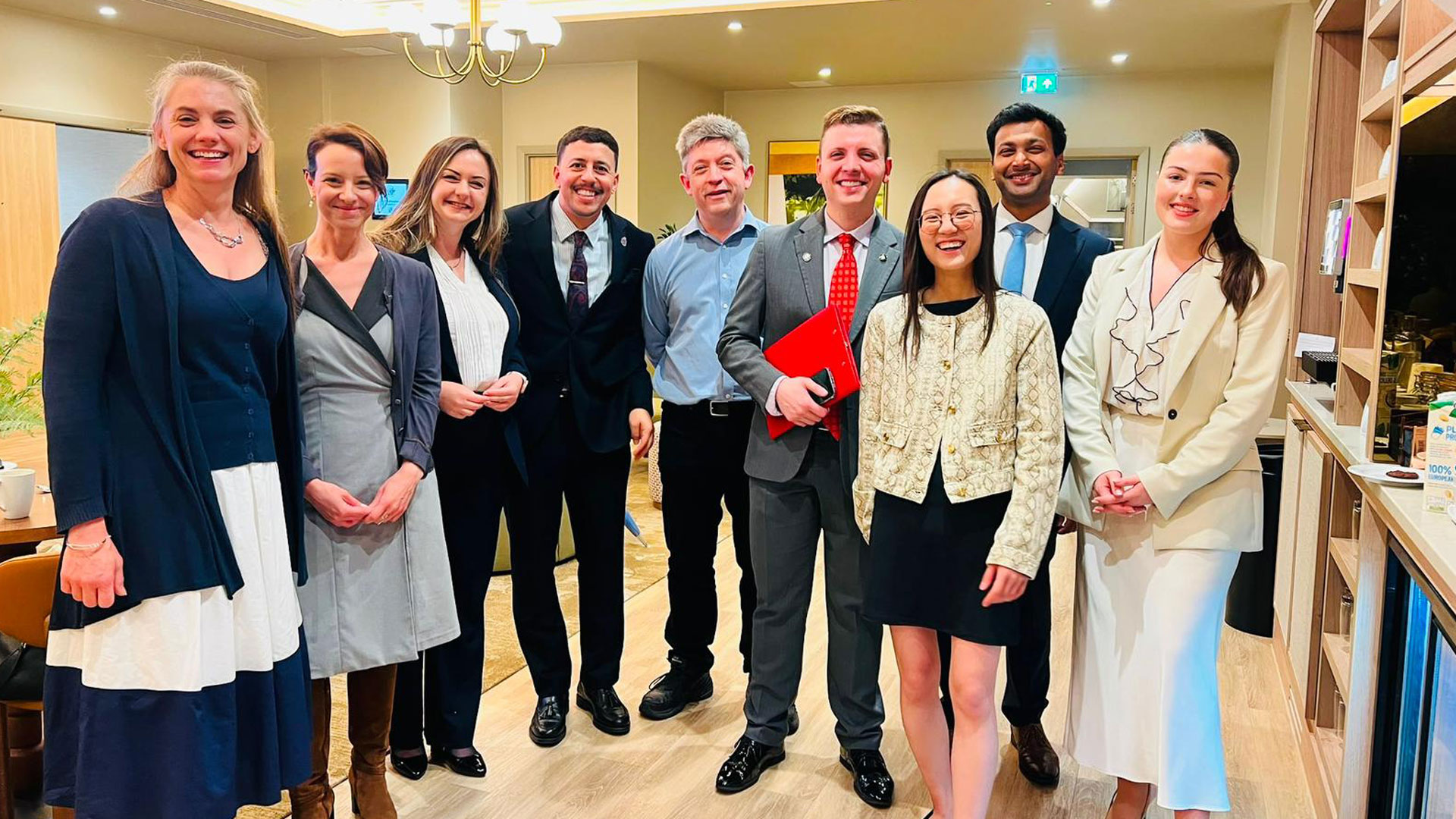
Once you have a carefully designed and installed system, the next key thing to ensure is that those on the floor are trained to use it; it shouldn’t be a headache for already stretched members of your team. By carefully integrating systems, you can even coordinate multiple elements of a room by the touch of a button; lights, sound, video, projection, air conditioning, blinds & curtains can be
combined in a pre-set to help members of your team easily create room set-ups for different occasions.
So, what are the main sound bites from the roundtable?
Listen to your team on the floor and factor in employee feedback. Sound and how it’s delivered should be treated as a design discipline from the outset, every site should have documented protocols covering who is responsible for sound. And invest in training staff.
Places that align their audio and visual environment across the day, using coordinated scheduling and shared design logic, create more consistent and memorable experiences for their guests.
Whether you are rejuvenating a bar, refurbishing a restaurant, creating a spa or hosting conferences, involve your systems designer early in every project to deliver great music and video for meetings, dining, and relaxing in your venue. You’ll create memorable hospitality experiences, with the peace of mind of real-time remote support.
